

 williamsemulo
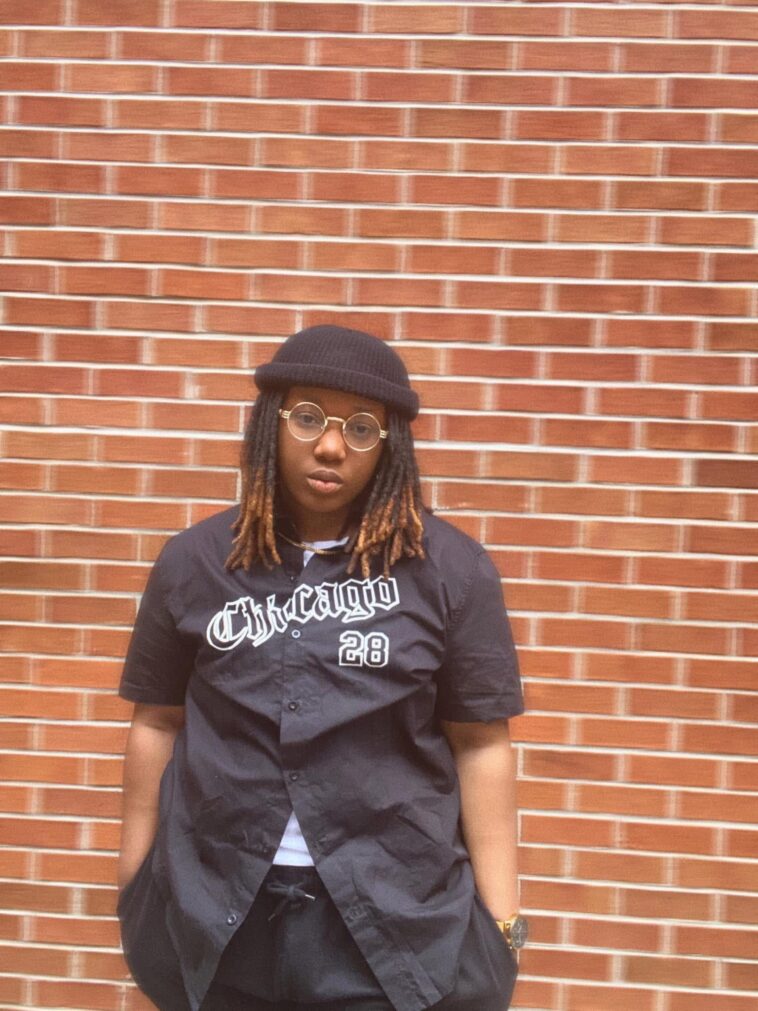
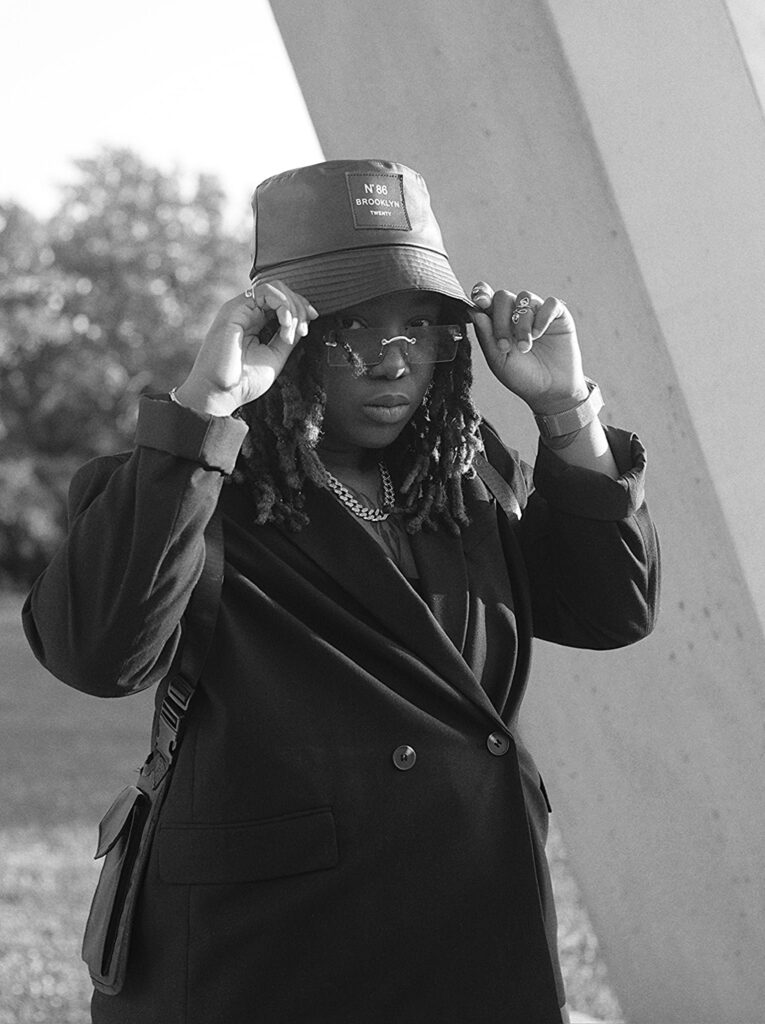 When you listen to Trinisha Browne, you hear a map: Trinidad’s sun-warm rhythms braided with Montreal’s cool, multilingual cadence, a late-night R&B ache, and the blunt, blunt-edge clarity of someone who’s learned to translate survival into song. Born Kadisha Onika Allen on April 13, 1992, in Trinidad and Tobago, Browne’s musical DNA was stitched early, gospel on Sundays, reggae and soca as background noise, 1990s R&B on the stereo, and hip-hop serving as a grammar of defiance. Those home recordings and church harmonies followed her north, and in Montreal they collided with a francophone city’s improvisational energy to become something that’s equal parts diaspora and reinvention.
This is an artist whose career reads less like a straight line and more like a series of landings — small rooms, community spaces, late-night open mics, independent EP drops — that gradually become a runway. Browne’s earliest documented release cycle begins with a self-made approach: she first drew attention with Free-write, a 2016 self-released EP built out of poems and fragments of melody, a DIY document credited in press coverage that marked her as part of Montreal’s quietly vigorous R&B and neo-soul scene. From there she moved through a catalogue that, taken together, tracks a migration — musical, geographic, emotional — toward the full-blown confidence of her debut album Rhythm & Love.

Where she comes from — and how that sound arrives
Browne’s origin story is uncomplicated but crucial: Trinidadian roots, Montreal upbringing. That combination shows up in everything she writes and sings. The Caribbean is present less as a sonic costume than as an idiom — syncopated cadences, an economy of melody, and a vocal phrasing that sometimes slides into patois-tinged inflection. Montreal supplies the bilingual, cosmopolitan restlessness: venues where an artist can test an idea in front of a mixed audience, collect feedback, and then head home and rebuild. In interviews and press, Browne has regularly pointed to the church choir, neighborhood tapes, and early poetry notebooks as training grounds for an artist who writes from lived contradictions.
The early releases read like exercises in identity: Thought You Should Know (2017) — a compact collection of songs that creased open themes of money, longing, and fidelity — is available on Bandcamp and shows a songwriter already comfortable juxtaposing tenderness and streetwise observation. Bandcamp’s cataloging of Thought You Should Knowpreserves credits and track lists, evidence of those formative sessions. Browne’s SoundCloud and YouTube presence from this period likewise document a steady roll of singles and remixes that kept her visible in local networks while she refined a voice that could both slink and shout.
The venues, the nights, the grind
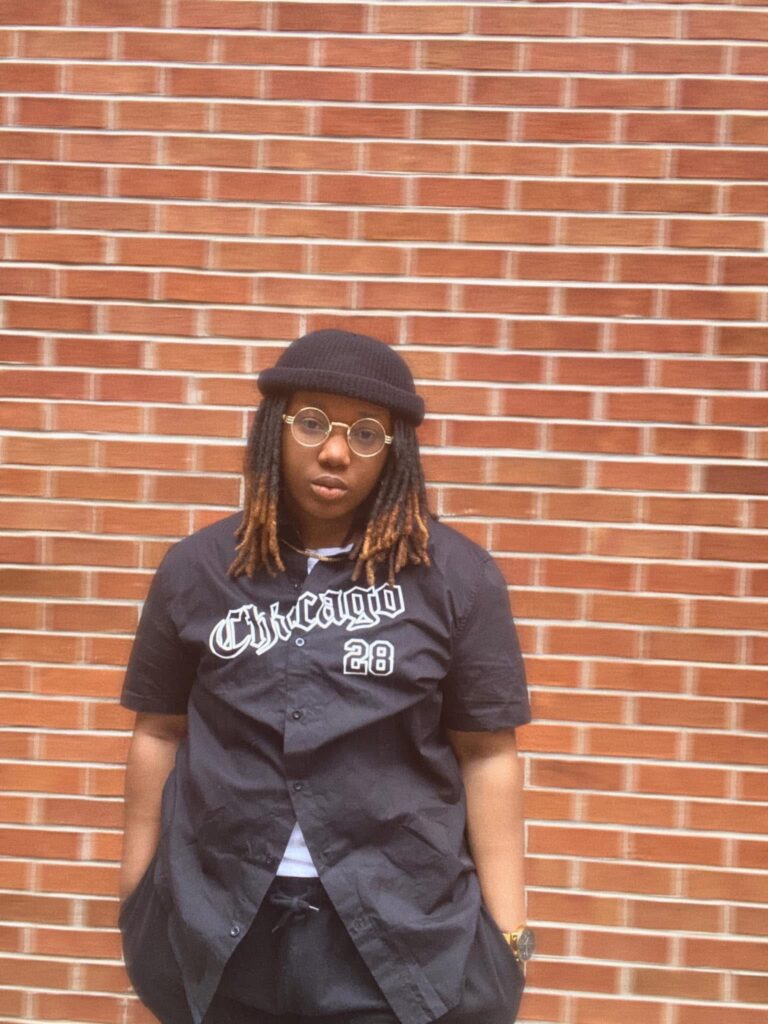
For many rising artists the open mic is both gymnasium and confessional; in Montreal, Browne became a regular at Kalmunity, a long-running open-mic series known for improvisational collaboration and for surfacing acts who later become scene leaders. Nights like those sharpen performance instincts: you learn how to read a crowd, how to improvise a verse, how to make a half-baked lyric land with authority. In reportage and interviews, Browne credits those communal spaces with teaching her craft in public — and with introducing her to a network of producers, poets, and performers who ended up on her records or in the lineup of shows she played.
There’s a certain mythic moment that every artist chases: the slot that transforms local buzz into industry notice. For Browne, the transition was incremental. She opened — according to her public posting history and contemporary write-ups — for higher-profile touring artists and kept releasing records that gained modest press traction. I looked for primary documentation of a specific December 7, 2017 L’Olympia appearance opening for Azealia Banks as referenced in the background you provided; I could not find an independent, third-party archival source (ticket stub, lineup listing, mainstream review) to corroborate that particular show in major publications. Where documentation exists, it’s through Browne’s own channels and press releases; where it doesn’t, I note it below. (More on verification at the end.)
Records, reinvention, and the pandemic studio
Between 2019 and 2021 Browne released a string of projects — Red Roses (2019), Fumbled (2020), and Good Vibes Only Vol. 1 (2021) — each one excavating further into Caribbean rhythms while reflecting the point of view of an artist living in Canada. The progression is notable: earlier work emphasizes confessional lyricism and minimal production; subsequent EPs and singles begin to court Afro-pop textures, splashes of Nigerian pidgin and Yoruba, and a bolder rhythmic palette. Her SoundCloud and streaming profiles catalog these shifts and show singles and remixes that expanded her sonic reach.
Her debut album, Rhythm & Love, arrived in March 2024 and — by Browne’s own accounts in press coverage — was largely recorded in a home studio she built during the pandemic. It’s a record born of two anxieties the era magnified: economic precarity and mental health. That tension is foregrounded in songs like “Rich Life,” which lays into the grinding reality of unemployment and references bipolar disorder with a directness that’s becoming more common (and necessary) in contemporary songwriting. Other tracks — “Bad Ting,” “Worth It,” “Rihanna Rich” — alternate between swagger and fragility, between claiming space and accounting for self-doubt. The album’s linguistic breadth (English alongside Nigerian Pidgin and Yoruba) and its list of collaborators, Temmie Ovwasa, Sierra Jamerson, Big Wazy, signal Browne’s intent to make music that moves beyond a single scene or market: intimate songs with global reach. Rhythm & Love was featured by outlets including Sheen Magazine and other music press, which covered the album’s themes and rollout. What makes Rhythm & Love feel borderless is not only its languages but its roster. Browne’s guest choices read like a hand extended across continents: Temmie Ovwasa — a Nigerian artist known for genre-bending pop and outspoken queerness — and other collaborators who sit in both Afro-pop and alternative R&B circuits. These artistic alliances matter structurally: they place Browne in conversation with scenes she wasn’t raised in but clearly studies and respects. The resulting record has the intimacy of a solo singer-songwriter project while carrying the fingerprints of collective, transnational authorship. (Streaming profiles and press materials list the collaborations and guest credits.)

This post was created with our nice and easy submission form. Create your post!